The postpartum version of yourself that feels unfamiliar or hard to recognize is not a version that failed you. It is the body your baby first experienced as their entire world. Before your baby understood faces, language, or routines, they learned safety through your body. Your heartbeat. Your warmth. Your presence.
For many women with a history of eating disorders or disordered eating, postpartum body image struggles can feel especially intense. While pregnancy body image concerns may surface earlier, the postpartum period is often when eating disorder thoughts, urges, and fears return or escalate.
This article explores why postpartum body image is so vulnerable, how pregnancy body image struggles often carry into postpartum, and what eating disorder recovery can look like during this deeply tender transition.
Why Postpartum Body Image Feels So Hard After Birth
Postpartum is not just a physical recovery period. It is a neurological, hormonal, and identity level shift. For women in eating disorder recovery, this convergence can make the body feel unfamiliar, unpredictable, and difficult to trust.
Clinical research and first person accounts, including those highlighted in The Cut’s reporting on eating disorders during pregnancy, show that many women feel unprepared for the emotional aftermath of birth and unsupported in navigating body image distress once the baby arrives.
Postpartum bodies continue to change. Weight redistribution, soft tissue changes, scarring, lactation, and exhaustion can all intensify body dissatisfaction. At the same time, cultural pressure to return to a pre pregnancy body often peaks during this window, increasing shame and internalized failure.
How Pregnancy Body Image Struggles Can Resurface Postpartum
Pregnancy body image challenges often do not disappear after birth. Instead, they frequently re emerge postpartum in more complex ways.
During pregnancy, some women notice eating disorder thoughts quiet temporarily due to concern for the baby. After birth, when that external focus shifts and structure disappears, old coping strategies may resurface.
As discussed in The Cut article on secrecy and lack of resources for pregnant women with eating disorders, many women report feeling invisible once the pregnancy ends. Postpartum care often focuses on the baby, leaving mothers without adequate screening or support for eating disorder relapse or worsening body image distress.
This does not mean recovery has failed. It means recovery is being tested during a period of extreme vulnerability.
Eating Disorder Recovery During Pregnancy and Postpartum
Eating disorder recovery during pregnancy and postpartum is not linear. It requires flexibility, patience, and support that accounts for both physical demands and psychological strain.
Postpartum is a well documented high risk period for eating disorder relapse. Hormonal shifts, sleep deprivation, identity changes, and loss of routine converge all at once. For some women, symptoms return. For others, disordered eating appears for the first time postpartum.
Recovery during this period often looks different than recovery before motherhood. Goals shift from control and performance to stability, nourishment, and emotional regulation. Healing is no longer just about the individual body. It is about the relational environment that body creates.
A Therapeutic Reframe: Your Body as a World, Not a Problem
One of the most powerful therapeutic shifts for postpartum body image is reframing the body from something to fix into something that holds meaning.
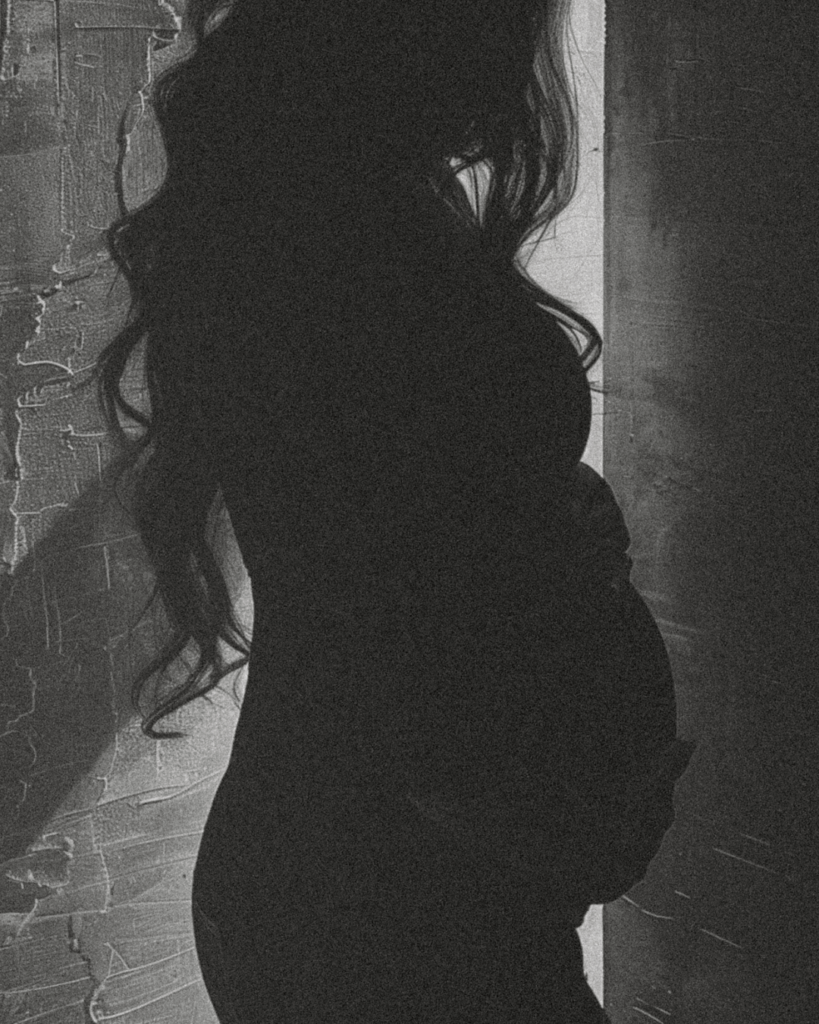
Your body was not just changing during pregnancy. It was creating an environment. A whole world.
Your baby learned regulation through your body. Safety through your body. Comfort through your body. That truth does not disappear postpartum, even when your relationship with your body feels complicated or painful.
Postpartum body image healing is not about loving how your body looks. It is about staying in relationship with your body even when discomfort arises.
In therapy, this often includes:
- Noticing urges to restrict or control without acting on them
- Allowing nourishment even when fear is present
- Shifting focus from appearance based goals to values such as connection, care, and stability
Why Bounce Back Culture Undermines Postpartum Body Image
Bounce back culture frames postpartum bodies as temporary problems to be solved. For women in eating disorder recovery, this narrative can be deeply destabilizing.
Messages about shrinking, snapping back, or reclaiming a pre pregnancy body reinforce the belief that worth is tied to appearance. As The Cut highlights, the lack of open conversation about eating disorders during pregnancy and postpartum often leaves women feeling isolated and ashamed, rather than supported.
Postpartum bodies are not broken. They are adaptive. They are working bodies that continue to support life, connection, and healing.
When to Seek Support for Postpartum Body Image and Eating Disorder Recovery
If postpartum body image distress is interfering with daily functioning, or if urges to restrict, binge, purge, or compulsively exercise are increasing, professional support is essential.
Effective care often includes:
- A therapist trained in eating disorders and perinatal mental health
- A dietitian familiar with pregnancy and postpartum recovery needs
- Medical providers who understand the emotional impact of body changes
- Community support that reduces isolation and secrecy
You deserve care that recognizes both your eating disorder recovery and your experience of motherhood. These are not separate identities, and treatment should not ask you to choose between them.
A Final Reminder for Postpartum Body Image Healing
The postpartum version of you that feels unfamiliar right now is not invisible to your baby. It is familiar. It is grounding. It is home.
Healing postpartum body image is not about getting your body back. It is about learning how to live in your body again with compassion, safety, and support.
Your body made a whole world. It still does.
Ready to Begin?
If postpartum body image or eating disorder recovery feels especially heavy right now, you do not have to navigate this alone.
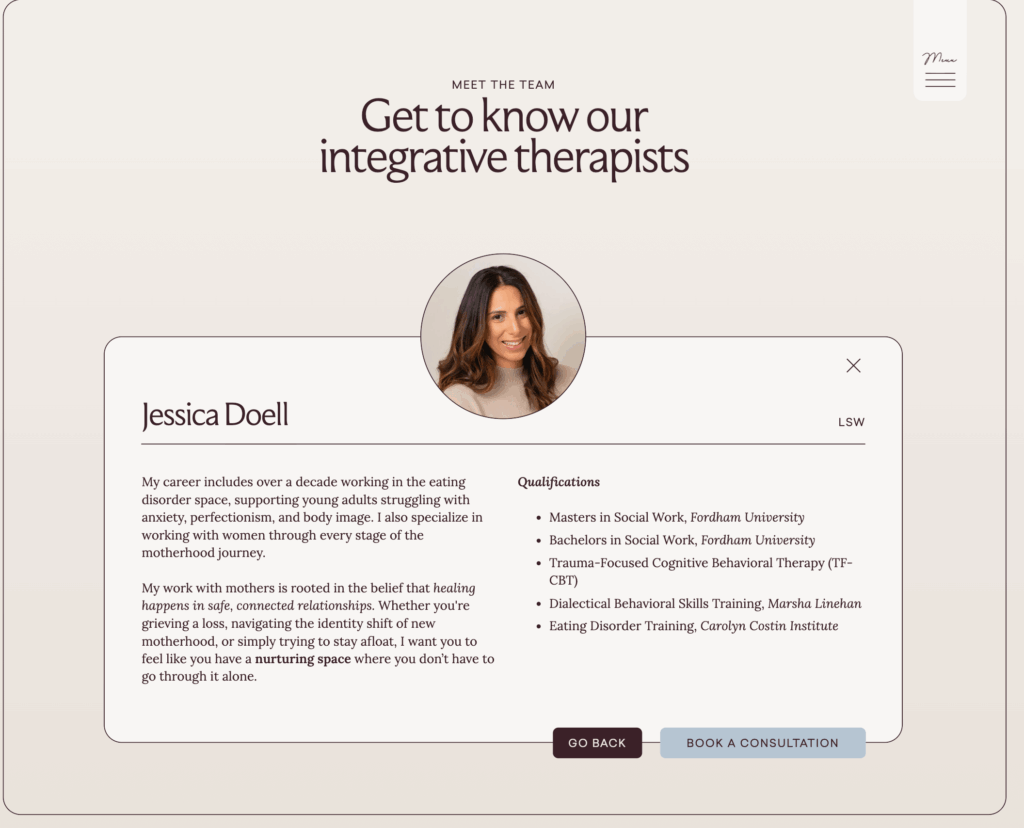
Jessica Doell, LSW specializes in eating disorder recovery, body image, and the unique challenges that arise during pregnancy and postpartum. She offers compassionate, trauma-informed therapy and is currently accepting new NJ clients both virtually and in Toms River, New Jersey.
👉 Learn more or schedule a consultation with Jessica Doell, LSW
At Manhattan Modern Therapy, you can learn more about:
About the Author

Salina Grilli, LCSW is a Columbia-trained psychotherapist specializing in perinatal and postpartum mental health and birth trauma EMDR therapy on the Upper East Side in NYC. She holds advanced certifications in Perinatal Mental Health (PMH-C) and Eye Movement Desensitization and Reprocessing (EMDR).
As the founder of Manhattan Modern Therapy, she supports women navigating the emotional aftermath of traumatic birth experiences, postpartum anxiety, and the identity shifts of motherhood.
Salina combines evidence-based approaches with deep compassion to help clients heal at the root, so they can feel safe in their bodies, confident in their parenting, and connected to themselves again.

